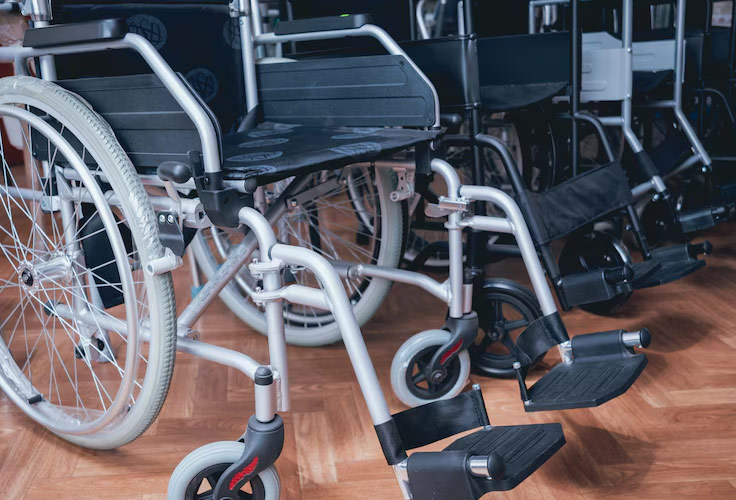
Old, damaged, or unused equipment can quickly take up valuable space and create safety risks if not managed properly. Whether assets have reached the end of their life, been replaced, or are no longer required, proper removal and disposal is essential. At CareTech, Asset Collection and Disposal services provide organisations with a safe, organised, and compliant way to clear equipment while ensuring environmental responsibility.
Instead of leaving outdated equipment stored in hallways, storerooms, or unused areas, a structured removal process helps maintain safe, organised, and efficient workplaces.
Removing equipment isn’t always straightforward. Assets can be bulky, sensitive, or located in active working environments where disruption needs to be minimal. A planned collection process ensures items are removed safely and efficiently while allowing daily operations to continue.
This process typically includes:
By managing the entire process, organisations can clear space without needing to coordinate multiple services or handle logistics themselves.
Disposing of equipment responsibly is just as important as removing it. Many assets contain electrical components, metals, plastics, or specialised materials that must be handled according to environmental regulations.
Proper disposal helps ensure:
This approach supports environmentally responsible operations while ensuring equipment is not simply discarded inappropriately.
Unused equipment can quickly become a safety hazard. Items stored in corridors, storage rooms, or unused spaces may obstruct access routes, create trip hazards, or reduce available workspace.
Timely asset collection helps organisations:
By removing unused assets promptly, workplaces remain safer, more organised, and easier to manage.
Asset collection services often work alongside refurbishment or replacement programs. When new equipment is introduced, removing older assets quickly ensures a smoother transition and prevents storage issues.
This coordinated process allows organisations to:
Managing removal and replacement together helps create a more seamless equipment management process overall.
A professional collection service doesn’t just remove equipment — it also provides clear records confirming what was collected and when. This helps organisations maintain accurate asset tracking and compliance documentation.
Records may include:
This ensures organisations retain visibility over equipment lifecycle management and disposal history.
Facilities often manage a wide variety of equipment, from small portable items to large specialised assets. Collection services are structured to accommodate different sizes, weights, and handling requirements.
This flexibility ensures:
By adapting to the facility’s needs, equipment removal becomes straightforward rather than disruptive.
Removing unused or outdated equipment helps create a more organised environment, which in turn supports efficiency and productivity. Staff can work more comfortably in uncluttered spaces, and facilities can use freed-up areas more effectively.
A structured asset collection strategy contributes to:
This ensures facilities remain functional, tidy, and ready to support ongoing operations.
Asset Collection and Disposal is often the final stage in the equipment lifecycle, but it plays an important role in maintaining safe and organised workplaces. By handling removal, transport, and responsible disposal in a structured way, organisations can focus on their operations rather than worrying about how to manage unwanted equipment.
A planned approach ensures assets are cleared efficiently, disposed of responsibly, and recorded properly — supporting both operational efficiency and environmental responsibility.